

BeKind and Supportive Black History Month in Poland!
Aktualności|
Getting your Trinity Audio player ready...
|
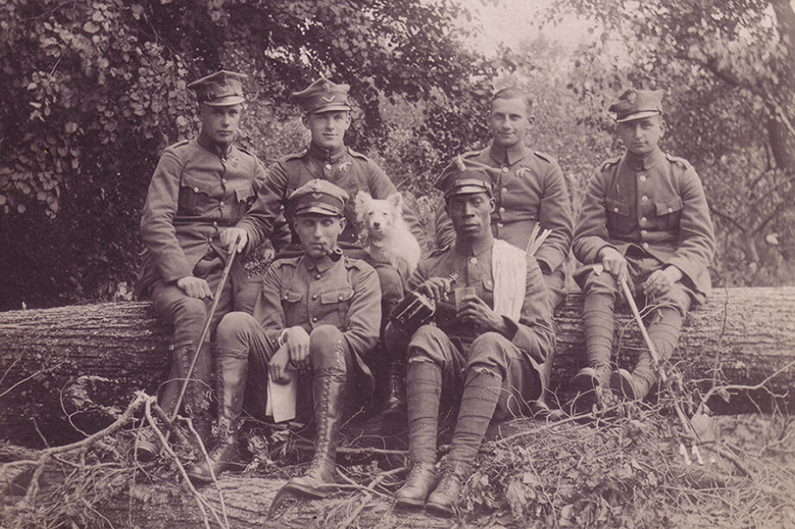
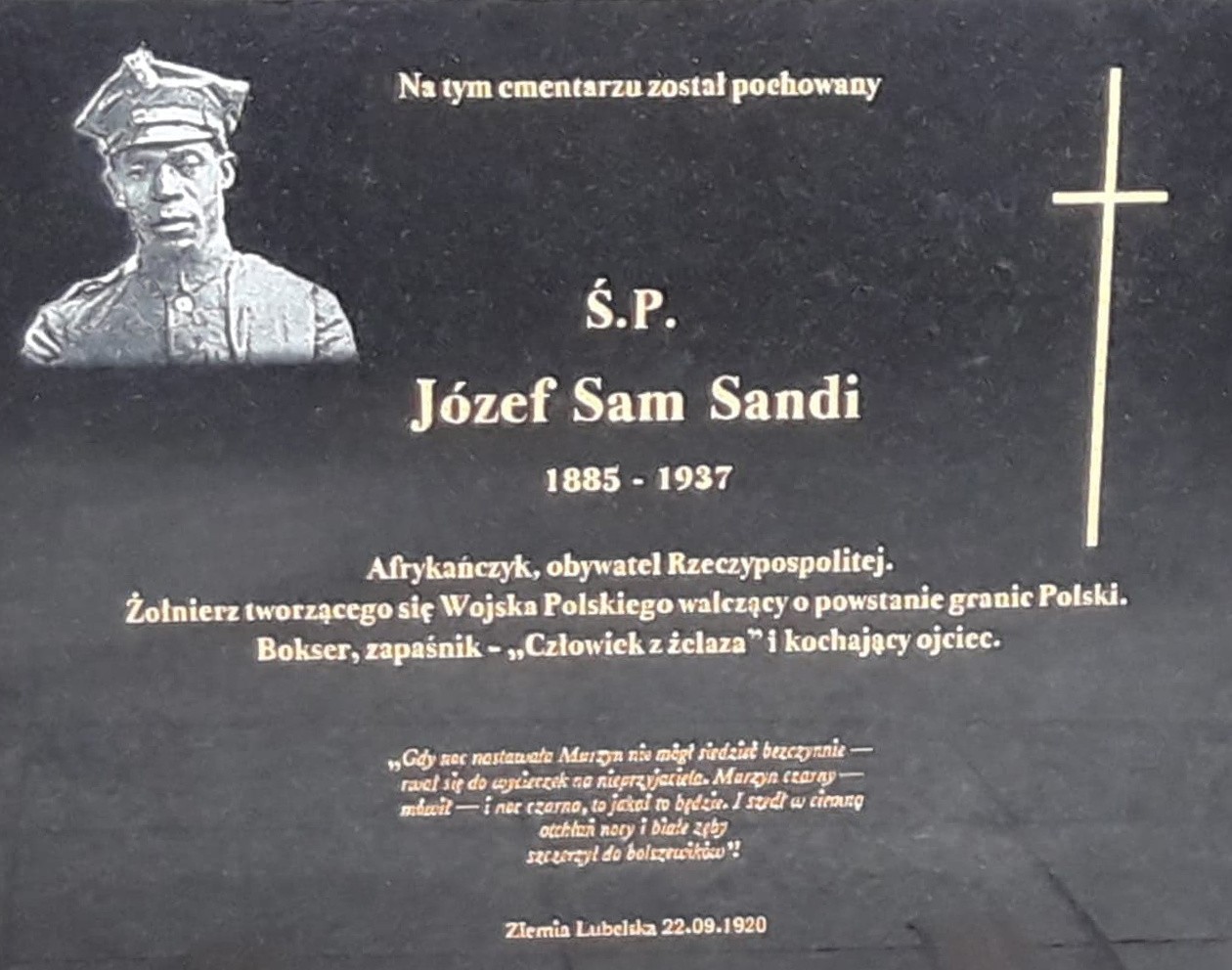


Zdjęcia:
https://www.1944.pl/powstancze-biogramy/august-o-brown,55402.html
August Agbola O’Brown, Augustine Agboola Browne lub August Agbola Browne ps. „Ali”
Zdjęcia:
This February marks the 100th year of honoring Black History Month in the Poland and we’re excited to celebrate with kindness. By recognizing contributions and achievements; supporting Black organizations, nonprofits, and local businesses; and amplifying the Black changemakers in our community, we can advocate for a world that is more courageous, just, and kind. We invite you to join us this month and beyond in learning, reflecting, and celebrating the impact Black leaders and everyday heroes have in shaping our world today.
We invite everyone to support the development of the Black History Month in Poland project. It is time to take action to support the African and black minority.
The history of black people in Poland, although less frequently described than in Western countries, spans centuries and is full of extraordinary figures. It did not result from colonialism, but from curiosity, the snobbery of the elites in former centuries, and later from economic, war, and educational migration.
Here is an overview of the history of black people in Poland over the centuries:
1. 16th–18th century: Manors and the nobility
Servants and exoticism: The first Africans usually came to Poland as servants in royal and magnate courts. In the 17th and 18th centuries, having a black butler (often dressed in rich clothing, such as a kontusz) was an expression of snobbery and prestige, imitating Western European fashion.
Famous figures: Stefan Batory had a black servant, as did Andrzej Fredro (Castellan of Lviv), who gave his servant a saber and a kontusz, and later freed him and gave him property.
The Radziwiłł family: In 1752, Hieronim Florian Radziwiłł purchased 12 black servants in London.
Status: Although they were treated as “exotic servants,” their presence was not associated with the systemic plantation slavery known in the Americas.
2. The 19th Century and the Uprising Period
The Napoleonic era: Black soldiers appeared in the armies fighting alongside Napoleon, and thus in the entourage of Polish legionnaires. Tadeusz Kościuszko had black orderlies.
Culture: Black people were present in memoirs and literature as mysterious or unusual characters.
3. The Interwar Period and World War II
Sam Sandi: An African who fought in the French army, was taken prisoner by the Germans, and then joined the Poles. He fought in the Greater Poland Uprising (1918-1919), after which he settled in Poland, became a wrestler, and started a family.
August Agbola O’Brown (“Ali”): The most famous black Warsaw insurgent. A Nigerian, he came to Poland in 1922 and worked as a jazz musician. In 1944, he fought in the Warsaw Uprising in the “Iwo” battalion. An obelisk in Warsaw commemorates his story.
Polish-Bolshevik War: The press reported the participation of black volunteers (probably French citizens) in the fighting in 1920, which became part of Polish propaganda.
4. The Polish People’s Republic and Contemporary Times
Students from Africa: In the 1950s, and especially in the 1970s and 1980s, many students from sub-Saharan Africa (e.g., Nigeria, Cameroon) came to Poland. Some of them married Polish women and remained in Poland permanently, laying the foundations for today’s Afro-Polish community.
Sports and politics: In the 21st century, people with African roots have become more visible. Emmanuel Olisadebe became a star of the Polish national soccer team. John Godson was the first black member of the Polish Parliament.
Contemporary Challenges: Despite their long presence, black people in Poland often experience stereotyping (e.g., the poem “Murzynek Bambo”) and racism, which is the subject of social debates and activist campaigns (e.g., #DontCallMeMurzyn).
This history shows that black people have been present in Poland for a long time, often integrating with Sarmatian culture and later with Polish independence culture.
Sources:
https://27grudnia.pl/aktualnosci-tegoroczna-edycja/sam-sandi-ciemnoskory-powstaniec/4127
https://armiakrajowa.home.pl/szzak/tabliczki/774.html
https://www.1944.pl/powstancze-biogramy/august-o-brown,55402.html
https://orka.sejm.gov.pl/ArchAll2.nsf/6RP/506
https://www.sejm.gov.pl/sejm9.nsf/posel.xsp?id=258&type=P
https://salamlab.pl/does-it-make-sense-to-celebrate-black-history-month-in-poland/
https://ciekawostkihistoryczne.pl/2020/06/29/czarnoskorzy-sarmaci-w-szlacheckiej-polsce/